
Climate Risk in Vulnerable Communities
Using integrated climate risk and equity analysis to prioritize action where it matters most
How Planning Communities helped the City of Richmond and the RVAGreen initiative plan for future climate vulnerability and risk.

KEY DELIVERABLES


OVERVIEW
As climate impacts intensify, cities are increasingly confronted with overlapping risks of heat, flooding, and infrastructure strain, which are often concentrated in the same neighborhoods. The City of Richmond sought to move beyond isolated assessments. They brought us in to develop a unified, equity-centered understanding of where climate risks intersect with vulnerable populations and critical public assets.
Building upon the City’s existing RVAGreen 2050 plan, our work supported Richmond by translating complex climate data into actionable insight, thus enabling city leaders to prioritize investments, align internal capacity, and advance from planning toward implementation.

CHALLENGE
Richmond faced several interconnected challenges:
Data Overwhelm: Multiple climate hazards – particularly extreme heat and flooding – were affecting the same areas, but data lived in silos.
Lack of Unification: Existing analyses lacked a unified framework for prioritizing action across departments.
Equity Planning: The City of Richmond needed to ensure climate decisions reflected equitable consideration of all populations.
Long-Term Plan Guidance: Leadership required clear, defensible guidance to support long-term action planning.
The City of Richmond needed a partner to help them understand the severity of future climate risks, as well as how to sequence action in a way that was equitable, strategic, and sustainable.
Identifying Risks & Exposure
Before Richmond could plan for climate action, the City needed a clear understanding of who and what was most vulnerable to climate impacts.
Planning Communities began by assessing vulnerability across three interconnected dimensions:
POPULATIONS
BUILT ASSETS
NATURAL ASSETS
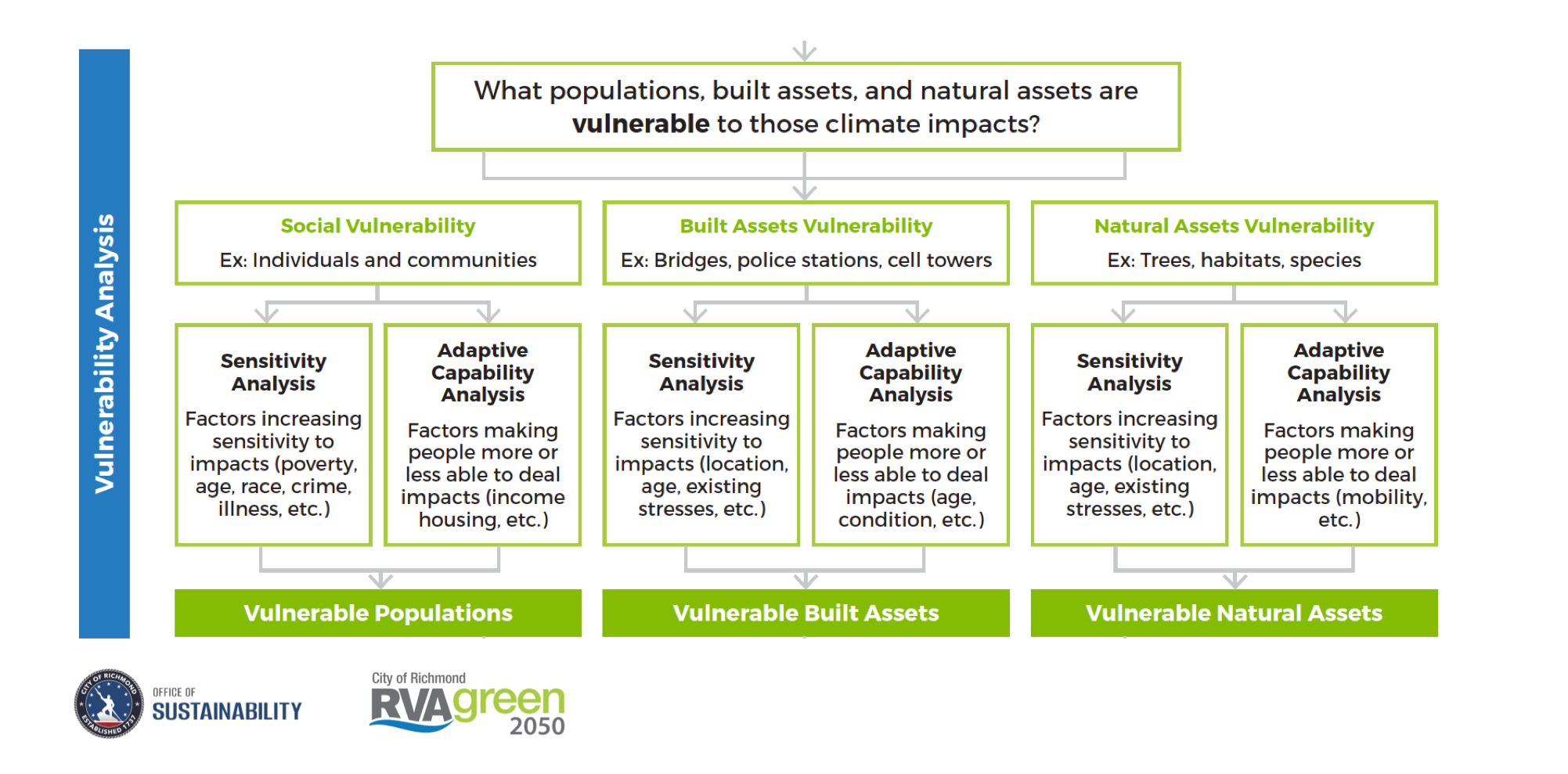
By clearly identifying: (1) vulnerable and frontline communities, (2) public housing and civic facilities serving high-risk populations, and (3) natural systems critical to flood mitigation and heat reduction, we were able to establish a shared definition of risk that reflected the real lived conditions residents of Richmond face.
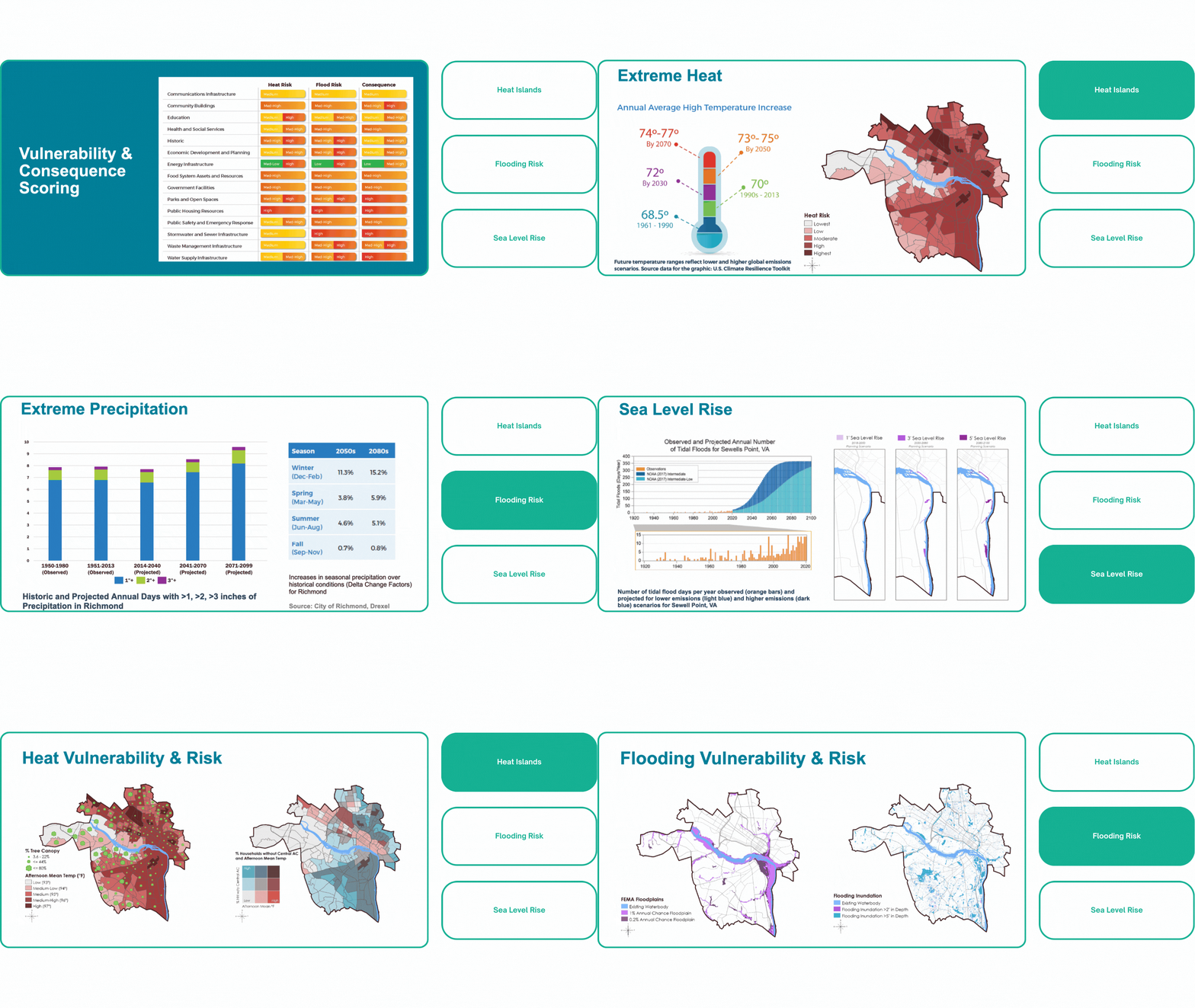
Understanding current vulnerability was only the first step. Richmond also needed to project how climate risks would evolve over time.
Future Impact
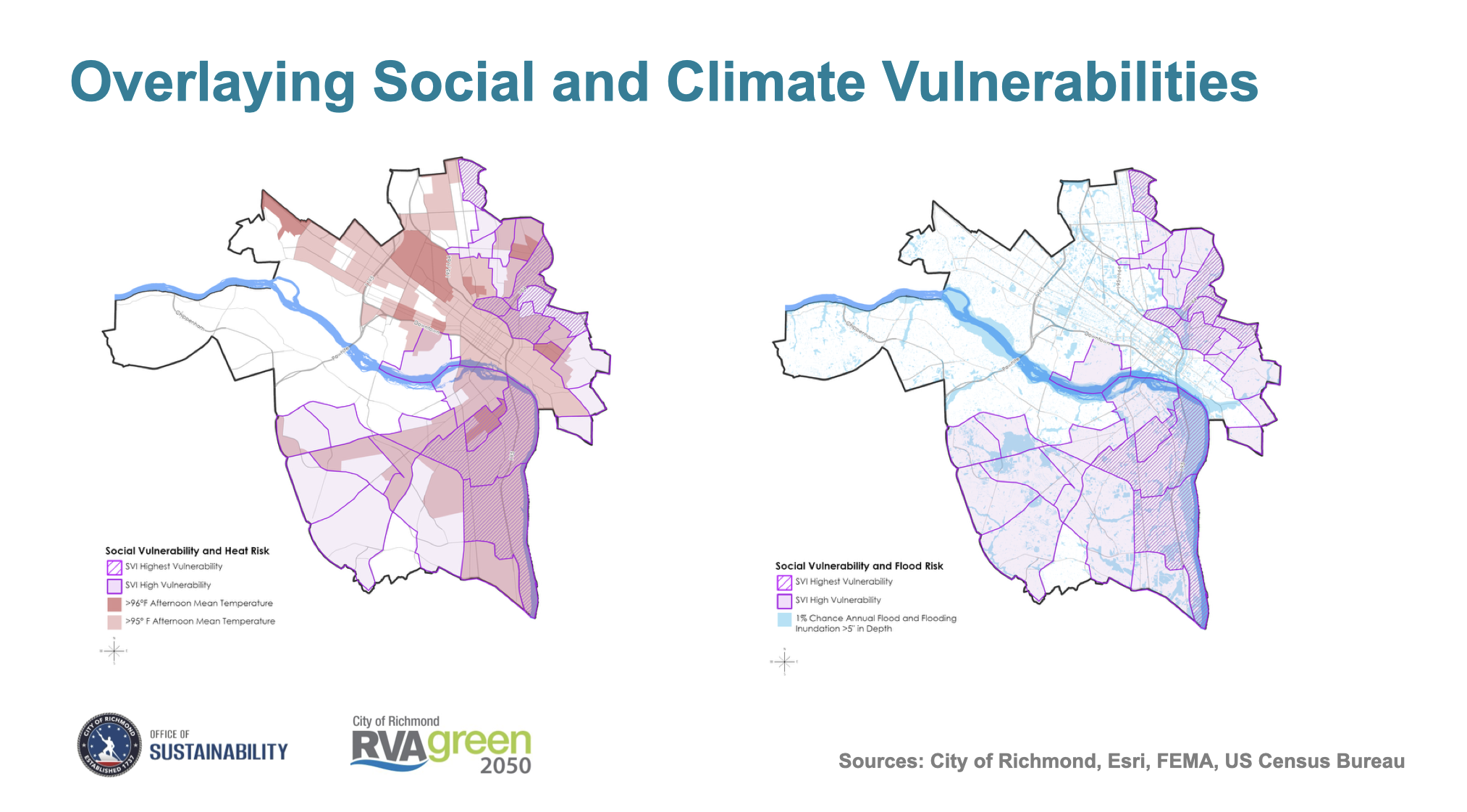
Rather than treating each hazard in isolation, we used GIS-based modeling to examine how risks compound. Analysis revealed that many of the City’s most vulnerable communities and public assets were exposed to multiple, overlapping hazards.
Data-Driven Prioritization
Building on the RVAGreen 2050 Climate Equity Index, we consolidated the data on climate hazard exposure, community vulnerability, asset risks, and future climate projections to develop a prioritization framework for action.
Alignment, Accessibility, and Action Planning
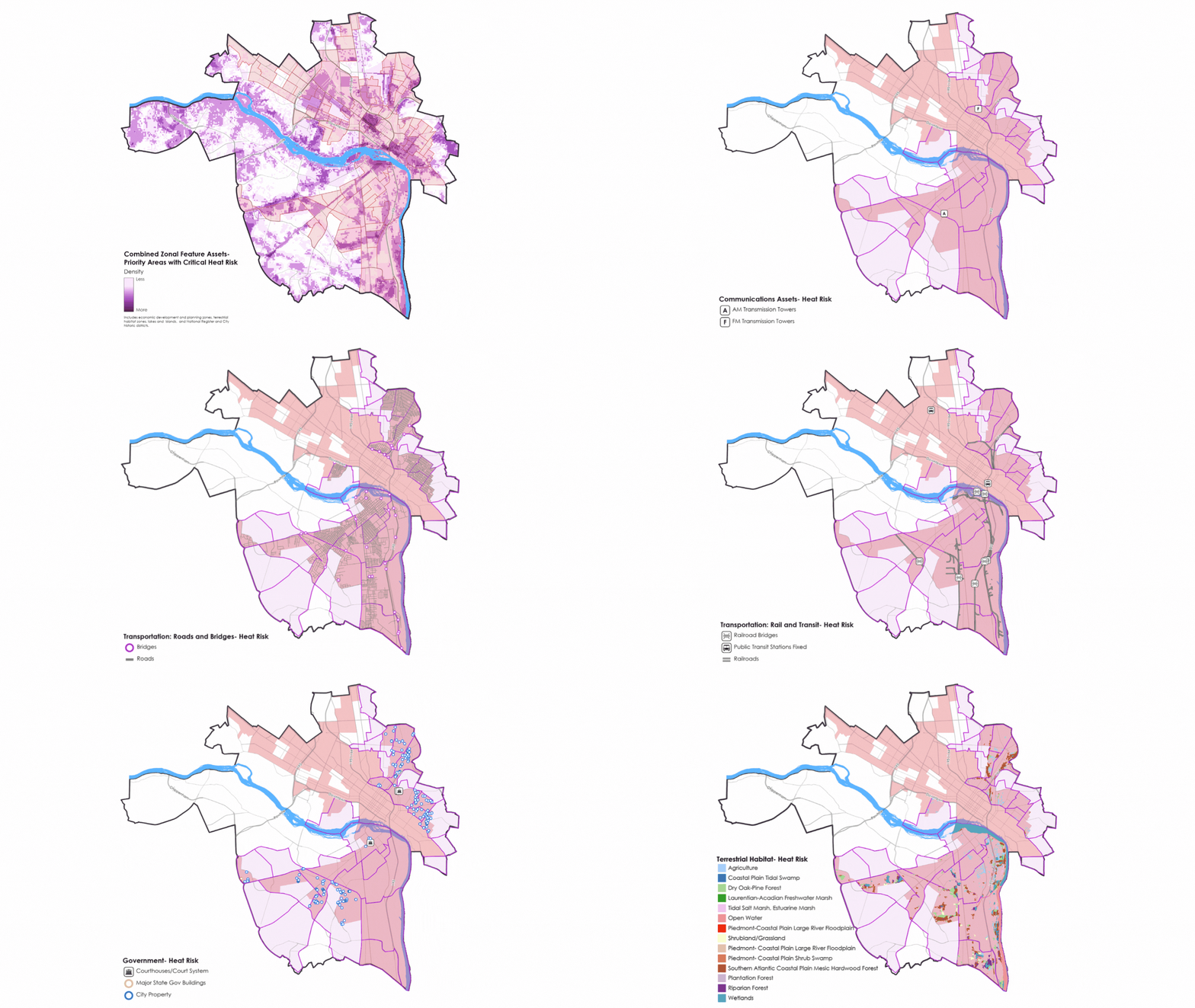
To ensure this work translated into real-world impact, our team focused on making the analysis accessible, actionable, and shared across audiences. We produced a comprehensive Climate Vulnerability and Risk Assessment Report supported by an interactive GIS StoryMap, animated videos, and graphic handouts designed for both technical and non-technical stakeholders.
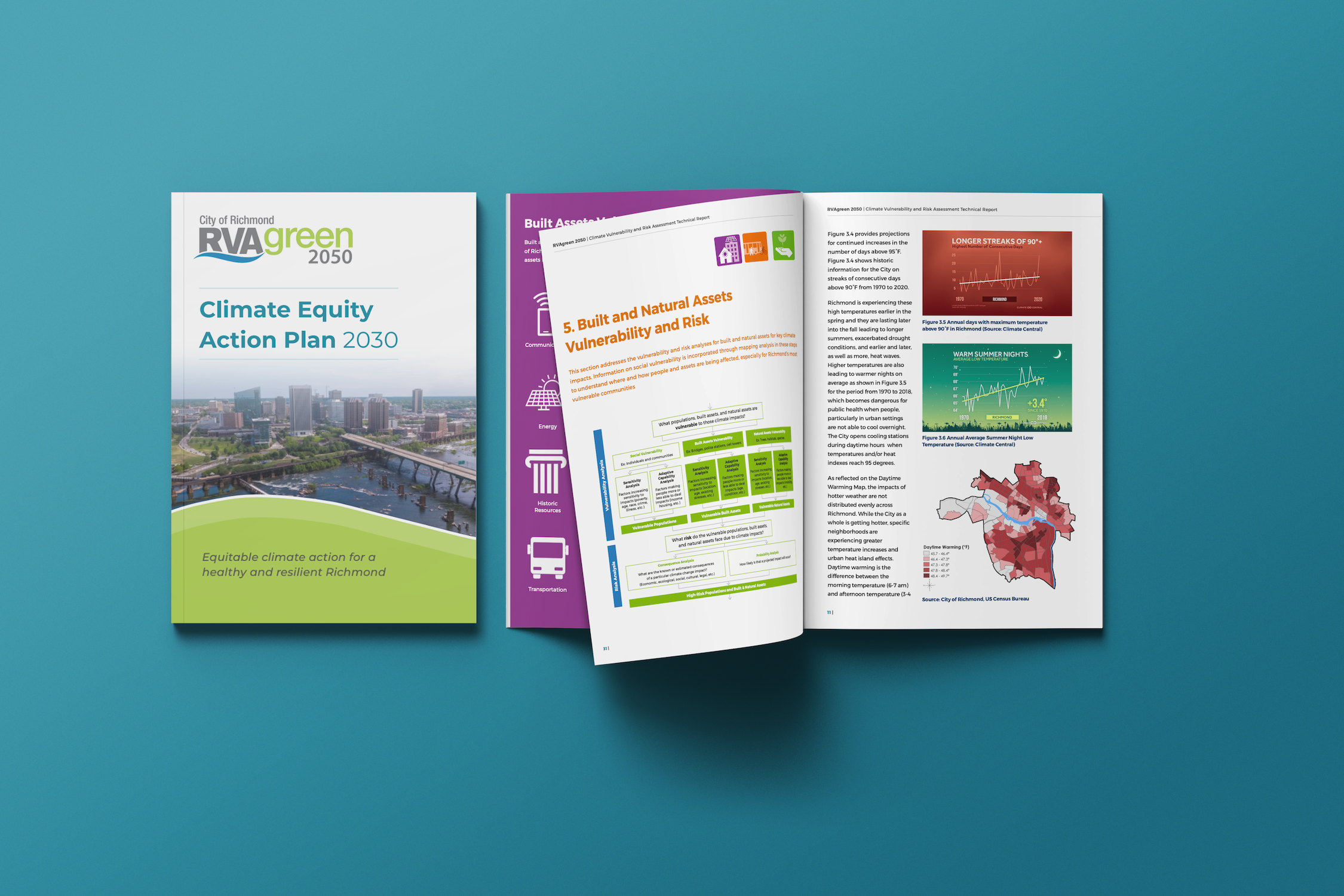
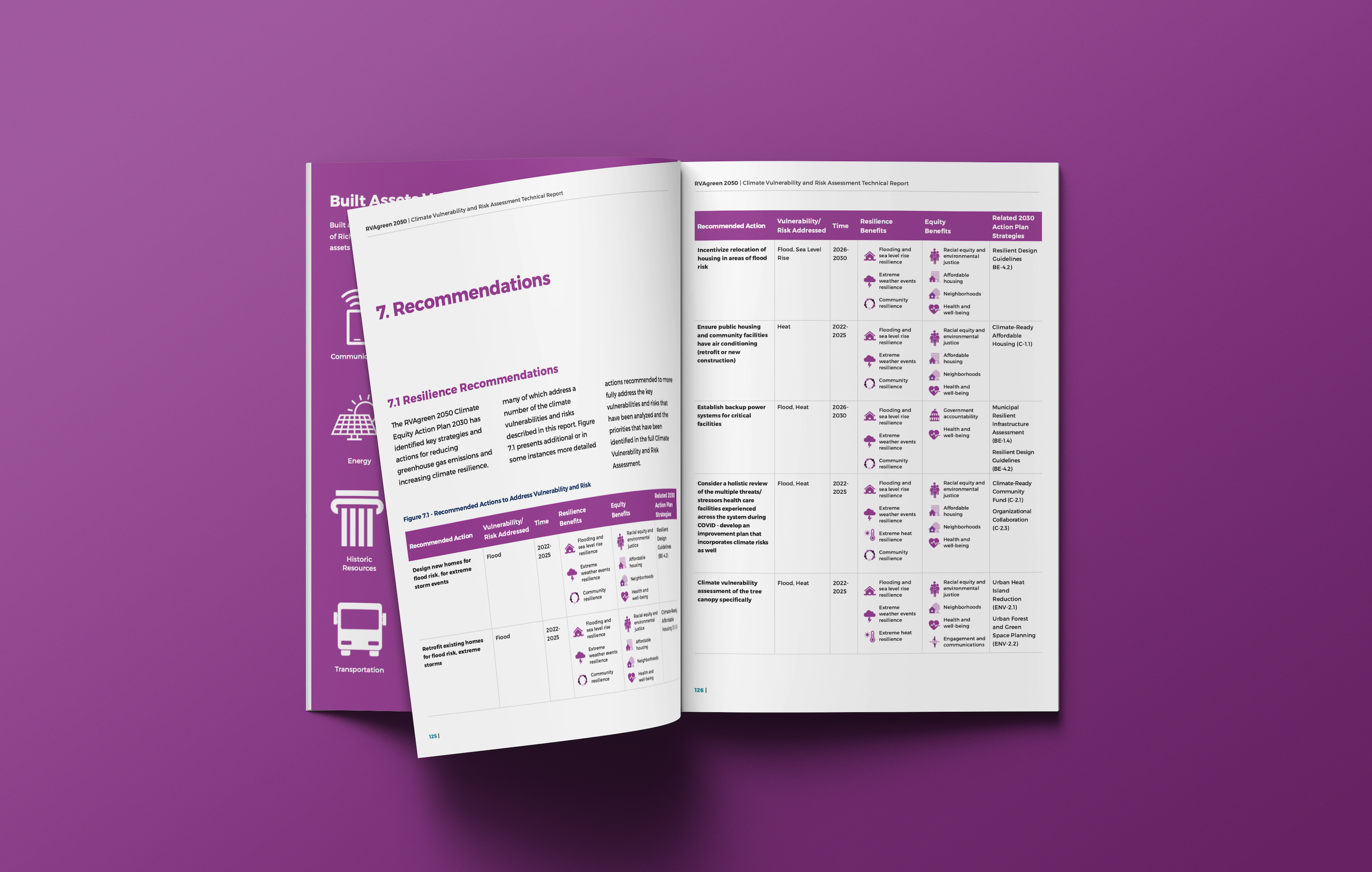

These tools transformed our complex modeling into clear, visual outputs that supported internal coordination, public understanding, and long-term implementation planning under the Climate Equity Action Plan 2030.
By aligning data, narrative, and visualization, we were able to clearly identify which communities and assets face the greatest future climate risk. Then we aligned priorities with equity goals, supplemental planning under their Climate Equity Action Plan 2030, and moved from fragmented data toward integrated, system-wide decision-making. In addition, these new assets allowed us to build a shared understanding of risk, while prioritizing across departments and with the public.
As climate changes persists, many vulnerable frontline communities in Richmond will be at risk in the coming decades. However, now that the City of Richmond and RVAGreen are armed with this new Climate Equity Action Plan, they are far better equipped to anticipate and navigate those challenges.
“Planning Communities was incredibly instrumental in working with the City of Richmond's Sustainability Office in building upon foundational work that the City has been doing through RVAGreen2050, taking it to the next level, with their leading role in the City's Climate Risk and Vulnerability Assessment. This assessment was a critical transition to get the City to climate action implementation and system-wide integration. The Planning Communities team was creative and collaborative, and their expertise and passion for climate, geospatial, and equity analysis is evident in the high quality of their work.”
Alicia Zatcoff
Former Director of Sustainability
City of Richmond, Virginia
We are here to guide you through a full spectrum of climate and sustainability planning for your needs.
Learn more about our services here.