

Conservation Efforts
Planning conservation efforts by organizing collaborative projects amongst local stakeholder communities
How Planning Communities is helping the Appalachian Trail Community Conservation Collaborative work with local communities to co-create conservation projects for the Appalachian Trail.

KEY DELIVERABLES




OVERVIEW
The Appalachian Mountain Range boasts some of the oldest and most biologically diverse ecosystems in North America. These ecosystems – and the communities they nourish – are facing unprecedented threats from habitat loss and degradation, an ongoing legacy of economic recession, and even the new opportunities brought by tourism. Realizing the importance of community-led conservation efforts, the Appalachian Trail Community Conservation Collaborative (ATC) has engaged Planning Communities to help pilot communities in Central Appalachia develop a model for conservation projects that can be implemented across the entire Appalachian Trail.
Our work includes providing technical assistance, GIS analysis, and baseline assessments to pilot communities. We also support a shared understanding of how to develop and implement these projects in ways that strengthen local capacity at scale.

CHALLENGE
To develop interconnected models for climate conservation, the pilot communities of the Appalachian Trail Community (ATC) face several interconnected challenges:
Coordination & Planning Gaps: Current local and regional efforts to plan and coordinate efforts lack cohesion, both from an inter-community perspective and a local governance perspective.
Aligning Public Support: Achieving consensus among residents remains a challenge, as communities try to build public support for prioritizing conservation and recreation projects.
Habitat Conservation & Development Pressure: Communities face significant pressure from rapid expansion, struggling to balance this growth with land conservation efforts.
Data Gaps & Needs: In order to accurately plan, residents and local leaders need up-to-date data across environment, community engagement, and local natural resource status and vulnerability.
These pilot communities need a partner to help them coordinate and collaborate more efficiently, as well as design community-centric, data-informed conservation projects that can attract community buy-in while translating into economic benefits.
Data Gaps & Needs
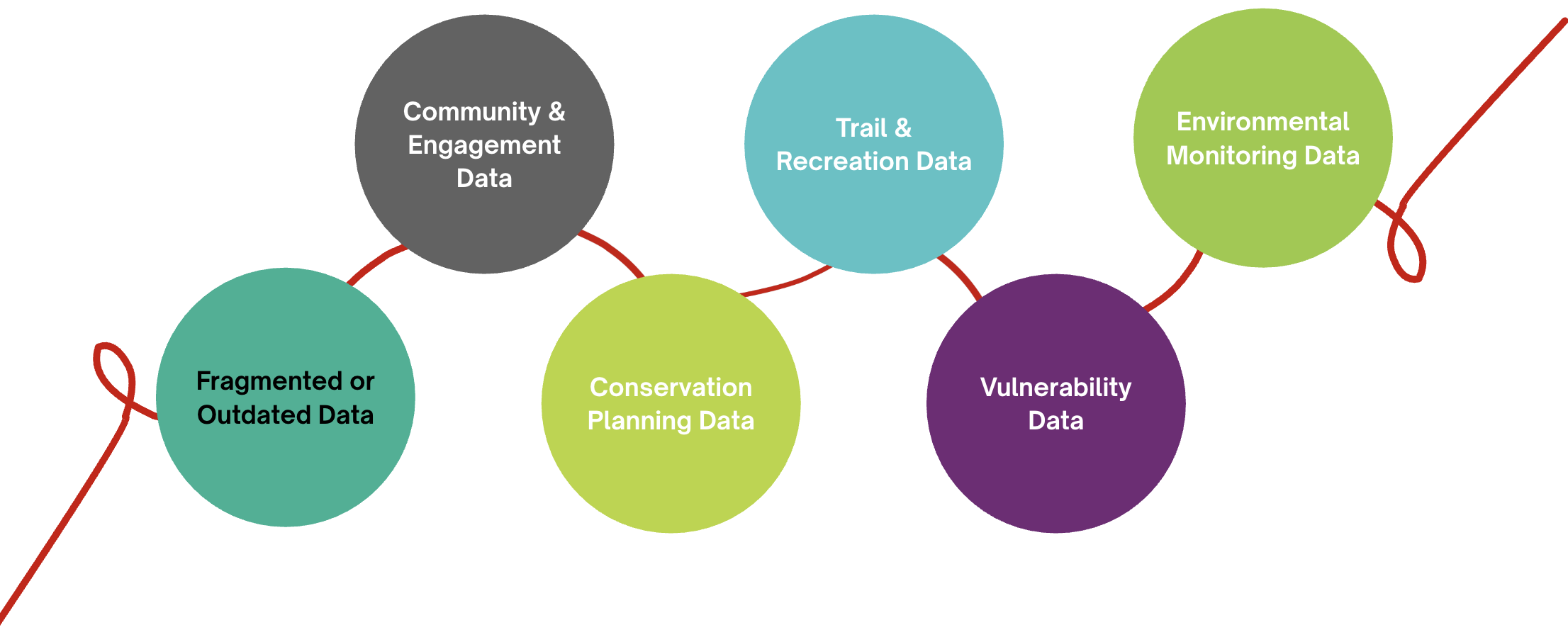
Filling and updating data gaps for these communities will be a crucial part of the planning process. Primarily, data gaps and needs are centered in these 6 key areas:
Identifying Pilot Communities
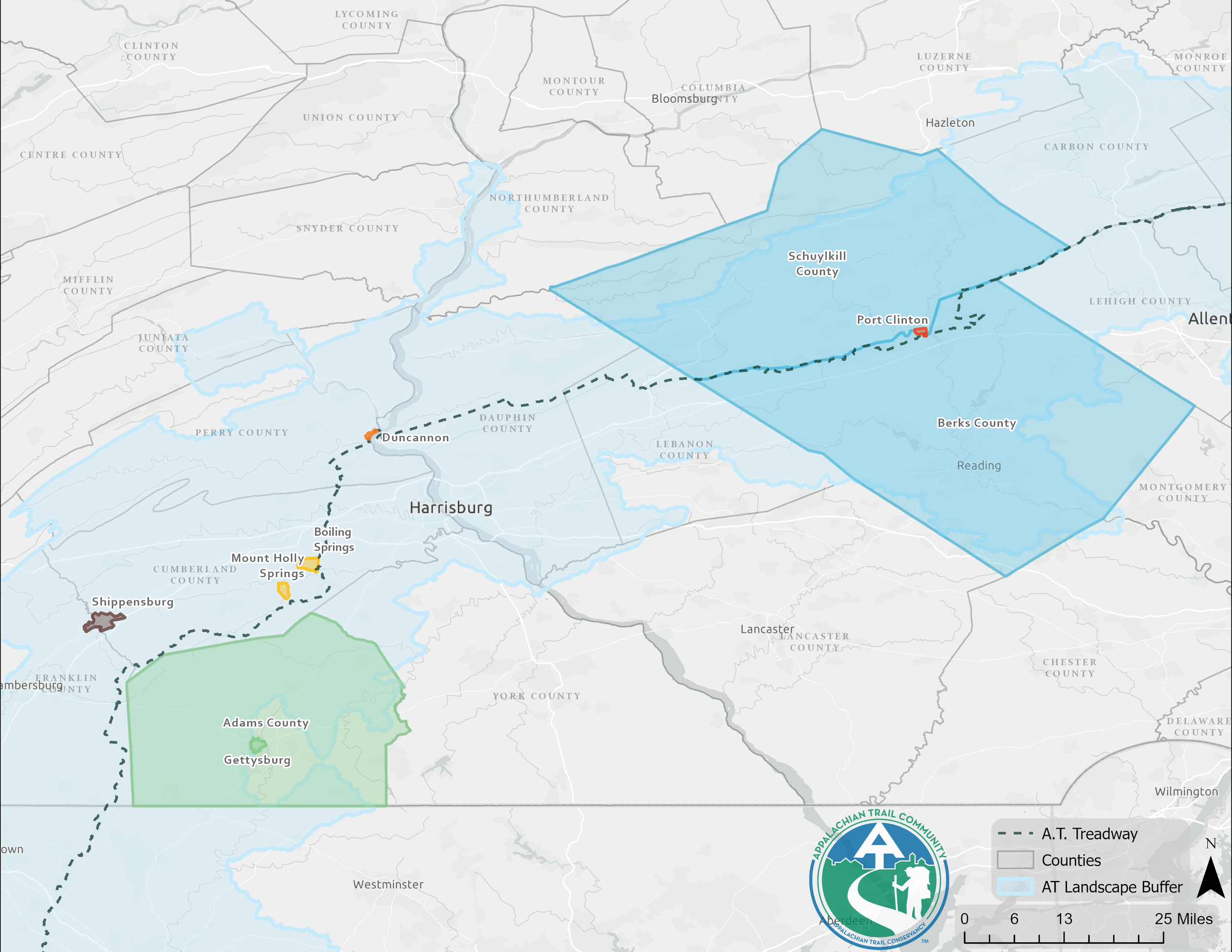
We identified seven pilot communities to join the first iteration of this conservation project. The standards set by these pilots of the Central Appalachian Trail Conservation Project will serve as a model for wider integration across the entirety of the Appalachian Trail.
Adams County
Berks and Schuylkill County
Boiling Springs
City of Duncannon
Port Clinton
Shippensburg
Stroud
Connecting Communities Through Commonalities
To begin fostering collaboration between the pilot communities of Central Appalachia, we began by surveying these communities to discover shared traits, challenges, and top focus areas.
Shared Traits
Rich Natural and Historic Assets
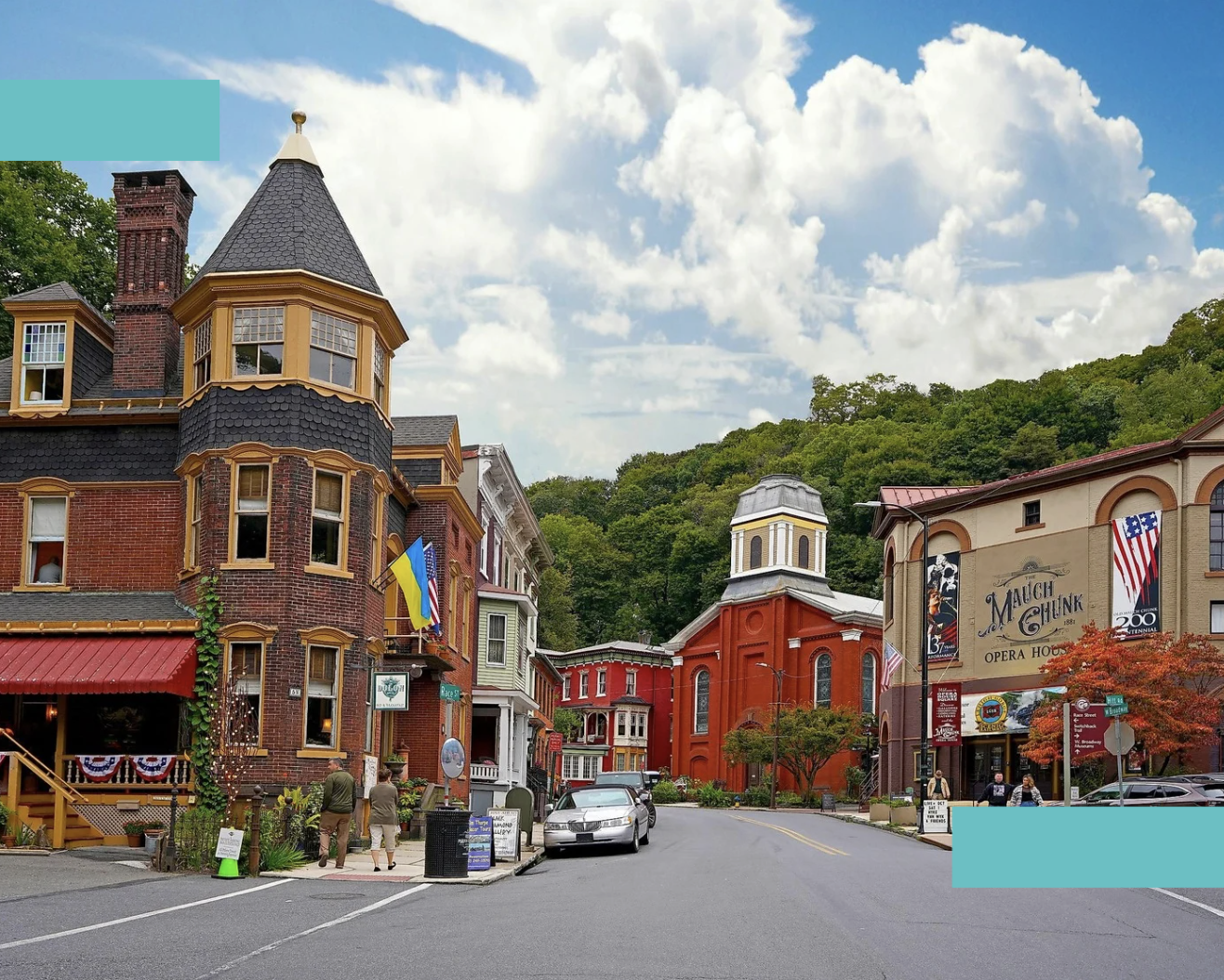
All seven communities highlighted their abundance of natural beauty and heritage. Common strengths include scenic mountain landscapes, lush forests, and clear streams, along with proximity to the Appalachian Trail. Many also have rich histories, ranging from Civil War battlefields to old iron-furnace towns, which give them a strong sense of identity and story.

Strong Community Pride
These communities are primarily small rural towns or townships with closely connected populations. Respondents frequently noted a strong sense of community and local pride. For example, residents are deeply engaged in traditions like farmers' markets, local festivals, and volunteer initiatives. This social cohesion is a strength that can be harnessed for collective action, even as some communities work to rebuild it.

Agricultural Heritage
A recurring theme among the ATC is the importance of farmland and agrarian culture. Many communities actively participate in agriculture and celebrate this heritage, often highlighting the presence of Amish and Mennonite communities, fruit orchards, and farm-to-table economies. This agricultural foundation is considered valuable and is often linked to conservation efforts, such as preserving farmland and maintaining the rural character.

Outdoor Recreation Hubs
Several towns identify as gateways to outdoor adventure, taking pride in their status as Appalachian Trail Communities. Some have trailheads, hiker amenities, and Appalachian Trail museums. Others serve as hubs for activities like fishing in spring-fed lakes and trout streams, birdwatching near wildlife sanctuaries, or kayaking on rivers and water trails. The combination of outdoor recreation and hospitality—such as trail-friendly shops, hostels, and breweries—adds a distinct charm to these communities.
Unique Local Features
Each community operates within a distinct local context that shapes implementation. One spans multiple jurisdictions and requires cross-municipal coordination, while another benefits from a dedicated open space preservation fund supported by local tax revenue. Communities also vary in culture. Some are experiencing growth in renter populations and increased diversity, while others remain more demographically consistent.

Shared Challenges
Development Pressure
A significant challenge many communities face is the pressure from development and growth. This tends to fragment landscapes and alter the character of small towns. The rapid expansion of warehouses, housing developments, and other projects (particularly in areas along major highways) is a concern for many locals. Several communities struggle to balance growth with land conservation efforts. Outdated land use plans or weak zoning regulations make it difficult to guide development sustainably.

Limited Funding and Capacity
Nearly every community has expressed concerns about funding constraints for conservation and recreation projects. There is a lack of financial resources to achieve their goals, and this is compounded by limited volunteer capacity or staffing to implement initiatives. Smaller towns depend heavily on volunteer-led efforts and often compete for scarce grants. Maintaining momentum without risking volunteer burnout is an ongoing challenge.

Community Awareness and Buy-In
Another common obstacle is achieving consensus among residents. Some community members do not fully recognize the value of outdoor recreation or conservation, which leads to actively resisting change and supporting investment. A few respondents noted political opposition to spending money on parks or preservation. Building broad public support—especially by engaging youth and newcomers—is seen as challenging but essential.

Economic and Social Challenges
Some communities are also facing broader economic shifts. The decline of traditional industries such as manufacturing and mining means that some towns are still in the process of revitalizing their economies. Job creation and attracting businesses that offer living-wage jobs remain difficult, raising concerns that residents, especially younger people, will move away. While tourism presents a significant opportunity, several areas have found that trail visitors do not always translate into local economic benefits, as many hikers pass through without spending money. Capturing those economic benefits by drawing visitors into town remains a challenge.

Coordination and Planning Gaps
Many communities are small or located across multiple jurisdictions, making coordination among stakeholders challenging. Collaborating across various municipalities, agencies (such as PennDOT, county, and state), and private interests can complicate efforts and slow progress. A recurring theme is the need for better comprehensive planning at the regional level, as current efforts often lack cohesion. Some communities have also reported difficulties maintaining facilities, such as trails or parks, due to limited support from local governments, which ties back to funding and capacity issues.

Top Focus Areas
Natural Resource Conservation
Protecting water resources is a top priority for all communities. Many respondents rated water quality, stream and river protection, and wetlands conservation as highly important. Land conservation, which focuses on preserving natural habitats and open spaces, also received high ratings, reflecting a strong conservation ethic across the board.
Trail Connectivity and Recreation
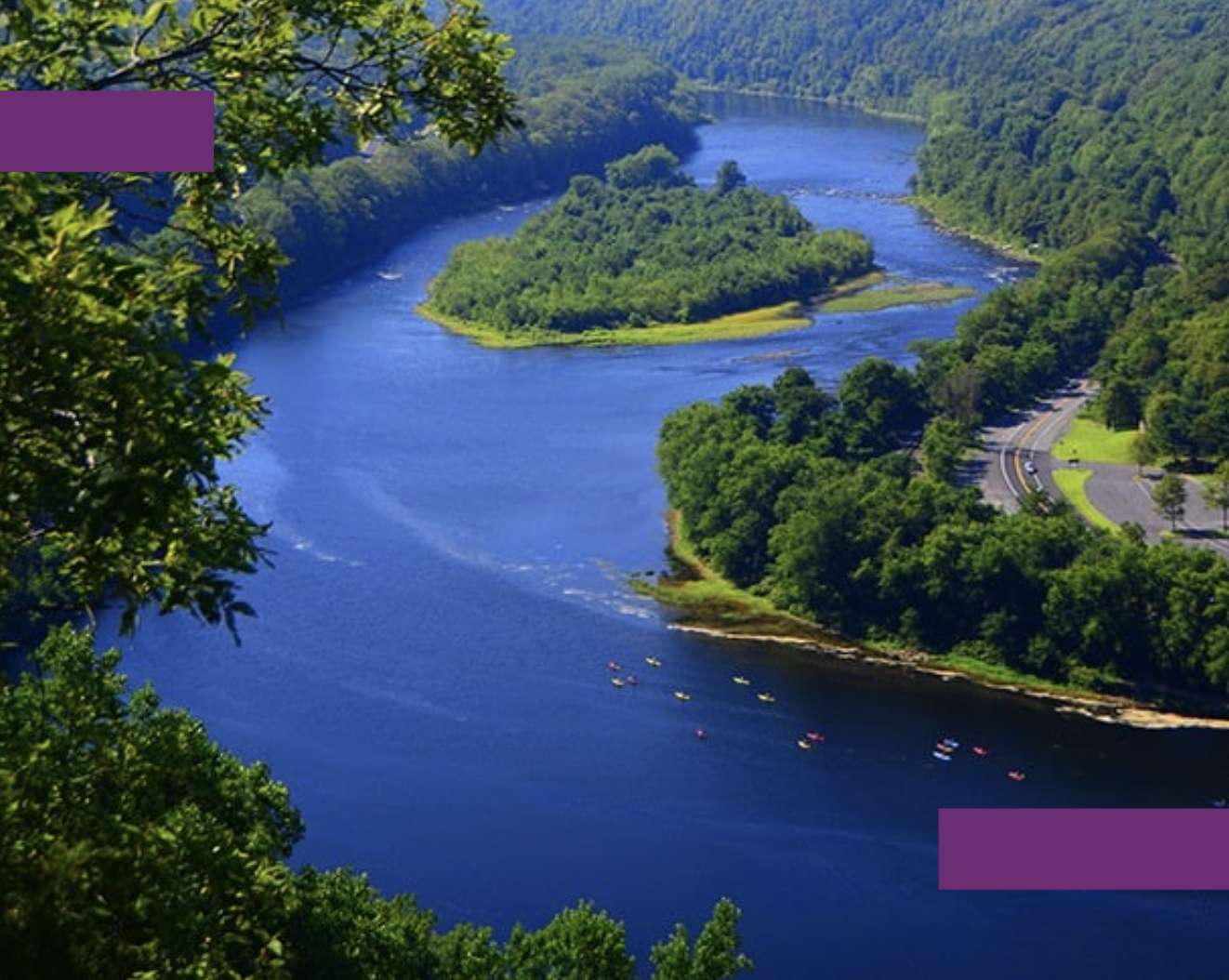
Nearly all communities prioritized projects related to trails. There was a consistent emphasis on improving or connecting existing trails, particularly linking the Appalachian Trail to local towns or nearby parks. Maintaining and enhancing current parks, trails, and outdoor recreation infrastructure was generally viewed as more important than creating entirely new parks.

Community Well-Being and Economy
Respondents placed significant importance on aspects that enhance community quality of life. Health and wellness, local tourism, and upgrading built infrastructure (such as roads and public facilities) were frequently marked as high priorities. While economic development factors, including support for local restaurants and sustainable housing, were noted, they were generally considered secondary to priorities related to natural resources and recreation.
Climate Resilience
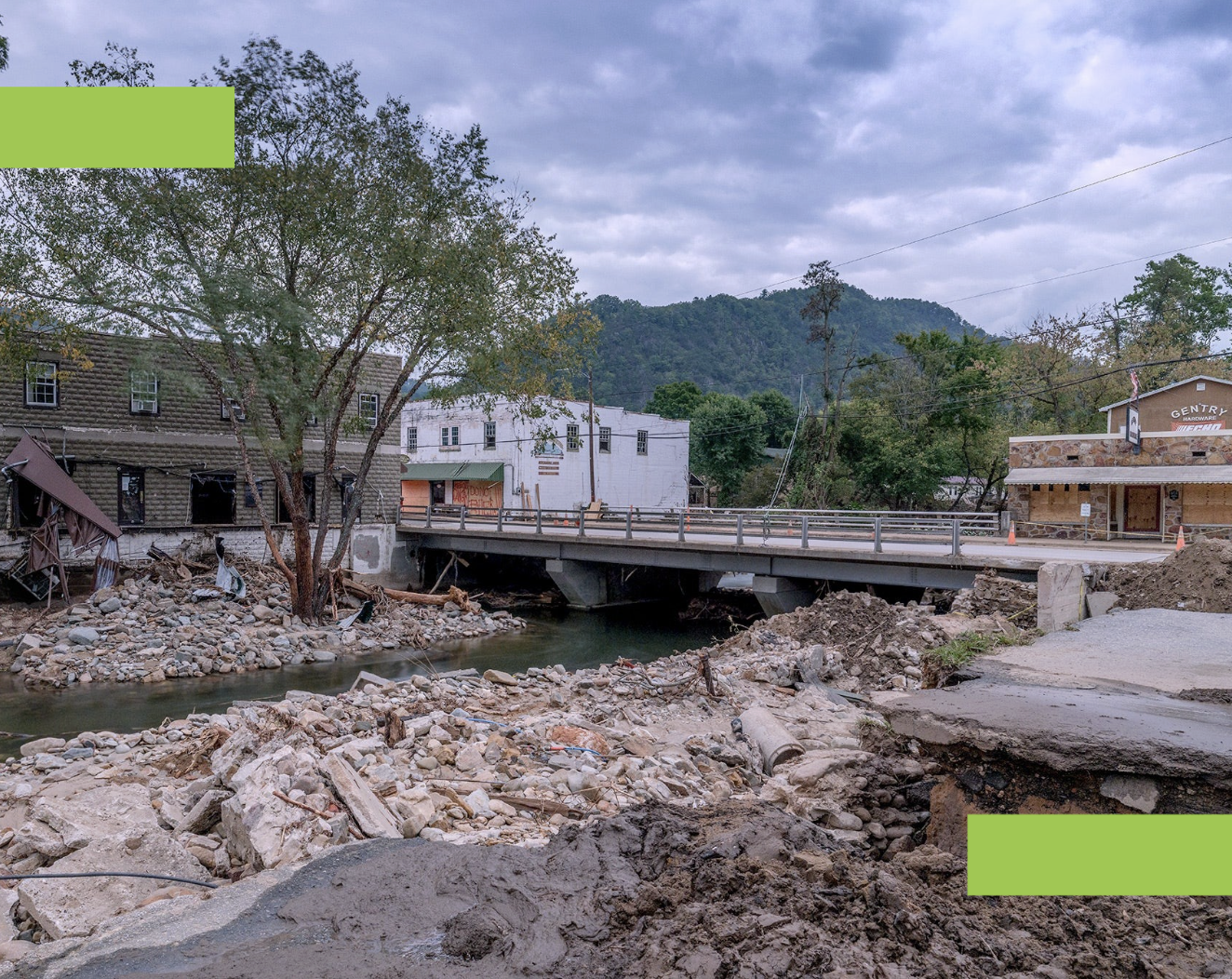
Among climate-related issues, water-related resilience—specifically mitigating flooding and drought—and ensuring clean water were the top concerns. Other climate risks, such as severe storms and air quality, were rated as moderately important, while issues like landslides or extreme cold were deemed low concerns, often only relevant to specific areas.
Community Engagement
Keeping residents actively involved and informed is a high priority for many respondents. There is a strong desire to cultivate active community members, increase volunteer opportunities, and foster strong regional partnerships. Regular progress updates and outreach efforts are essential for maintaining momentum across various projects.

Initial surveys also identified preferred communication and engagement methods for these communities, as well as potential themes for proposed pilot projects. In order to further solidify these project plans, our next step involves sitting down in person with these local leaders to help them properly prioritize action and map out next steps.
Pilot Projects
To help our pilot communities begin planning their conservation projects, we are actively hosting in-person workshops to help local leaders identify potential solutions and develop a common language framework around their action plans.
[COMING SOON] Follow the progress of our pilot communities as they actively design their conservation projects.
We are here to guide you through a full spectrum of climate and sustainability planning for your needs.
Learn more about our services here.